


Sea grapes
Seaweed – healthy, delicious, nutritious food

Apr
What is seaweed? What are its nutritional composition, characteristics, and benefits? Let's find out the information below with GCAP VN to better understand this type of seaweed!
Introduction to Cartilage (seaweed)
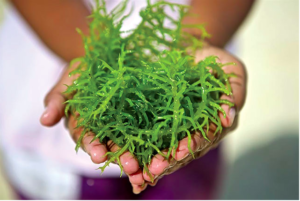
Cartilaginous seaweed (spiny cartilaginous seaweed) belongs to the red algae phylum, growing in branches and clusters. When cultivated, cartilaginous seaweed has a characteristic dark green color, depending on the salinity, the seaweed can also be yellow or brown. Cartilaginous seaweed is grown in shallow seas and bays. Warm water temperature from 25 - 30 degrees Celsius, high salinity conditions, the seaweed will grow and develop well. Currently, cartilaginous seaweed has been successfully cultivated in some coastal areas of Vietnam.
Nutritional value of seaweed
Cartilage seaweed is considered by many to be a "miracle drug" because the nutritional composition of this seaweed is extremely wonderful;
- Protein: On average, 5 – 22% of carrageenan is Protein. This composition depends on each growth stage and living environment. According to research, the Protein content of carrageenan reaches its peak during the reproductive period.
- Vitamins: Seaweed contains many vitamins such as vitamin A, B1, B2, C, D, E... The vitamin content in seaweed is higher than in vegetables. In particular, the vitamin A content in seaweed is 3 times higher than in carrots and 10 times higher than in avocado.
- Water: Water in seaweed accounts for nearly 80-90% and the content will gradually decrease with the number of hours of growth.
- Fiber: Seaweed is a fairly high source of fiber and the trace mineral iodine.
- Amino acids: Cartilage contains up to 13-20 different types of amino acids.
- Macrominerals: This type of seaweed contains many macrominerals such as calcium, sodium, magnesium, potassium, chlorine, sulfur... In particular, the amount of calcium in seaweed is even higher than in cow's milk.
- Pigments: Carrageenan contains chlorophyll, yellow, and blue pigments. However, these pigments are bleached by sun exposure.
How many types of seaweed are there?
Currently on the market there are 2 popular types of seaweed: salted seaweed and dried seaweed. Each type will have different processing methods and prices;
– Salted seaweed: is seaweed that has been scooped up, pre-processed (dried) and soaked in refined salt. 100 grams of salted seaweed will usually bloom into 130 – 150 grams of fresh seaweed.
– Dried seaweed: is seaweed that has been dried or sun-dried. 100 grams of dried seaweed will usually produce 700 – 800 grams of fresh seaweed, so dried seaweed will cost much more than salted seaweed.

Benefits of Cartilage
Cartilage seaweed is a valuable type of seaweed that contains many nutrients and has many wonderful health benefits:

Refreshing, detoxifying
Because of its high water content, seaweed is considered the number 1 choice for thirst quenching. It can be seen that seaweed is used to cook into desserts and vegetable jelly quite commonly to cool and purify the body.
Goiter prevention
Thanks to its iodine content, seaweed can prevent and treat goiter and thyroid diseases. Doctors also advise patients to use seaweed in the right dosage to improve their condition.
Blood pressure regulation
Thanks to its many minerals and calcium, seaweed has a great effect in supporting blood pressure reduction. People with high blood pressure should use seaweed regularly to treat the disease more effectively.
Beautify and rejuvenate skin
A nutrient that detoxifies and improves blood circulation in seaweed is Fertile-clement. In addition, vitamins help reduce acne, fade wrinkles, and give the skin a youthful, radiant look. Therefore, women consider this a golden secret in beauty.
Good for the digestive system
With a high fiber content, carrageenan is especially good for the digestive system. Therefore, carrageenan is often processed into many dishes to help relieve constipation.
Anti-inflammatory. Treatment of respiratory diseases
Carbohydrates in seaweed have the effect of enhancing the ability to fight inflammation and harmful bacteria.
In addition, seaweed contains a sufficient amount of magnesium to help treat respiratory diseases such as asthma or prevent some other diseases. Besides, this substance also helps reduce headaches.
Delicious dishes from seaweed
Cartilage can be processed into many delicious dishes such as: salad, kimchi, soup, sweet soup, gel... or can be eaten raw like vegetables with dipping sauces of your choice;

How much seaweed should I eat?
Although, cartilaginous seaweed brings many health benefits, when using it, you also need to consider the appropriate dosage. Cartilaginous seaweed is not a medicine, it is a food supplement. Should be used about 2-3 times/week, avoid using too much causing nutritional imbalance. Ideally, people with medical conditions should use it according to the doctor's instructions.
Conclude
Cartilage seaweed is a nutritious food, rich in vitamins, minerals, and trace elements, ... with many wonderful uses for health. So what are you waiting for, add this delicious and nutritious dish to your family's menu!
GCAPVN Company Limited
Website: https://gcapvn.com
Hotline: 090 559 0098 – 096 414 0855
Fanpage: GCAPVN
